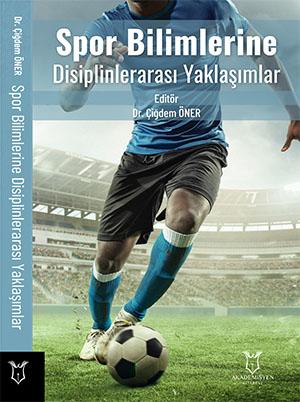
Spor Ekonomisinde Güncel Gelişmeler
Özet
Sporun ekonomi ile ilişkisi, Sanayi Devrimi sonrası artan serbest zaman ve teknolojik gelişmelerle birlikte evrilerek sporun küresel bir endüstriye dönüşmesini sağlamıştır. Kıtlık, fayda-maliyet, fırsat maliyeti, etkinlik ve denge gibi ekonominin temel ilkeleri spor sektöründeki idari ve finansal kararların temelini oluşturmaktadır. Sektörde yayın hakları, sponsorluklar, perakende satışlar ve maç günü bilet hasılatı gibi unsurlar ana gelir kaynakları arasında yer almaktadır. Küresel ölçekte yaşanan Covid-19 pandemisi ise spor organizasyonlarının ertelenmesine ve seyircisiz müsabakalar nedeniyle kulüplerin maç günü gelirlerinin sıfırlanarak ağır finansal kayıplar vermesine yol açmıştır. Bu kriz ortamında dijitalleşme hız kazanmış; futbol kulüpleri mali daralmayı aşmak amacıyla taraftar tokenları ihraç ederek yeni ekonomik gelirler yaratmış, karantina süreçlerinde serbest zamanı artan bireylerin ilgisiyle e-spor sektörü pazar payını önemli ölçüde büyütmüştür. Eş zamanlı olarak futbol kulübü yatırımcılığı da dönüşüm geçirmiş; City Football Group örneğinde olduğu gibi beş kıtada kulüpler satın alarak glokalleşme stratejisi izleyen, yatırımlarıyla operasyonel mükemmellik ve finansal destek sağlayan küresel şirket yapıları öne çıkmıştır. Sonuç olarak spor ekonomisi, krizlerin yarattığı olumsuzlukları aşmak ve sürdürülebilirliği sağlamak için dijital yeniliklere, değişen pazar dinamiklerine ve modern yönetim modellerine uyum sağlamak durumundadır.
The relationship between sports and economics has evolved alongside increased leisure time and technological advances following the Industrial Revolution, turning sports into a global industry. Basic economic principles such as scarcity, cost-benefit, opportunity cost, efficiency, and equilibrium form the foundation of administrative and financial decisions within the sports sector. Key revenue streams in the industry include broadcasting rights, sponsorships, retail sales, and matchday ticket receipts. The global Covid-19 pandemic deeply affected the sports market, causing the postponement of sports organizations and resulting in severe financial losses for clubs as matchday revenues dropped to near zero due to spectatorless matches. During this crisis, digitalization gained momentum; football clubs generated new revenue streams by issuing fan tokens to overcome financial contraction, while the esports sector significantly expanded its market share driven by the increased leisure time of individuals during lockdown periods. Simultaneously, football club ownership underwent a transformation, giving rise to global corporate models such as City Football Group, which acquires clubs across five continents, implements a glocalization strategy, and injects operational excellence and financial support through its investments. Ultimately, to overcome the adversity created by crises and ensure sustainability, the sports economy must adapt to digital innovations, changing market dynamics, and modern management models.
Referanslar
Andreff, W. (2019). Sport events, economic impact and regulation. In International Sport Marketing (pp. 86-114). Routledge.
Blair, R. D. (2011). Sports economics. Cambridge University Press. New York.
Block, S., & Haack, F. (2021). eSports: a new industry. In SHS Web of Conferences (Vol. 92). EDP Sciences.
Bulmuş, M. S. (2018). Küresel spor ekonomisi ve uluslararası sporcu emek göçü: Türkiye'deki devşirme sporcular örneği. Yüksek Lisans Tezi, Hacettepe Üniversitesi Sosyal Bilimler Enstitüsü, Ankara.
cityfootballgroup.com. (2022, Şubat 16). Our Partners. City Football Group. https://www.cityfootballgroup.com/our-partners/
Deloitte, (2021). 2021’e Başlarken Avrupa’da ve Türkiye’de Futbol Ekonomisi. https://www2.deloitte.com/content/dam/Deloitte/tr/Documents/technology-media-telecommunications/2021e-baslarken-avrupada-ve-turkiyede-futbol-ekonomisi.pdf
Devecioğlu, S. (2011). Sporun yeni ekonomik sistemde görünümü, I. Uluslararası Spor Ekonomisi ve Yönetimi Kongresi Bildiriler Kitabı, 12-15.
Devecioğlu ve ark., (2017). Sporda yeni yaklaşımlar: Güncel konular ve yeni gelişmeler’’. (Y. E. Karakaya, Ed.). Gazi Kitabevi. Ankara.
Dobbs, M. (2014). Guidelines for applying Porter's five forces framework: a set of industry analysis templates. Competitiveness Review, Vol. 24(1), pp. 32-45
Dünya Gazetesi, (2022, Şubat 15). En çok kazandıran Galatasaray token oldu. https://www.dunya.com/finans/kripto-para/en-cok-kazandiran-galatasaray-token-oldu-haberi-636803
Frank R. H., & Bernanke B. S. (2017). Ekonominin temelleri. (S. Uzunoğlu, G. Sönmezler ve B. Er. Çev. Ed.) Literatür Yayıncılık
Inspiresport.com, (2022, Şubat 16). City Football Academy Tesisleri, (https://www.inspiresport.com/tours/football/europe/uk/city-football-academy/
Krnjaic, J. (2022, Şubat 14). The impact of the covid crisis on the sport industry. https://miuc.org/impact-covid-crisis-sport-industry/
KPMG Football Benchmark. (2022a, Şubat 14). Key motivations behind buying a professional football club. KPMG Football Benchmark. https://www.footballbenchmark.com/library/key_motivations_behind_buying_a_professional_football_clubs
KPMG Football Benchmark. (2022b, Şubat 15). COVID burdening top European clubs by massivelosses.https://footballbenchmark.com/library/covid_burdening_top_european_clubs_by_massive_losses.
Leeds, M. A., & Allmen, P. (2017). Spor ekonomisi. (O. B. Çelik ve M. İnce Yenilmez, çev. Ed.). Palme. Ankara.
Newzoo. (2022, Şubat 15). Global Games Market Report The VR & Metaverse Edition. https://newzoo.com/insights/trend-reports/newzoo-global-games-market-report-2021-free-version/
Paribu Rehberi, (2021, Şubat 16). Taraftar token’ı (fan token) nedir, ne işe yarar? https://www.paribu.com/blog/paribu-rehberi/taraftar-tokeni-fan-token-nedir-ne-ise-yarar/
Pusulafinans.com, (2022, Şubat 15). Galatasaray Token Nedir?. https://www.pusulafinans.com/galatasaray-token-nedir/
Saatçioğlu, C. (2013), Spor ekonomisi teori, politika ve uygulama. Gazi Kitabevi, Ankara.
Somoggi, A. (2020, Şubat 15). Coronavirus’s economic impact on the Sports Industry. Sports Value. https://www.sportsvalue.com.br/en/coronaviruss-economic-impact-on-the-sports-industry/
Şener, İ., & Karapolatgil, A. A. (2015). Rules of the game: Strategy in football industry. Procedia-Social and Behavioral Sciences, 207, 10-19.
Tremlett, G. (2022, Şubst 14). Manchester City’s plan for global domination. Retrieved from The Guardian. https://www.theguardian.com/news/2017/dec/15/manchester-city-football-group-ferran-soriano
Uslu, N. Ç. (2013). Spor ekonomisi, Anadolu Üniversitesi, Açıköğretim Fakültesi Yayınları, Eskişehir.
Ülgen, G. (2012). İktisat bilimine giriş, Der Yayınları, İstanbul.